January 24, 2026
The Future of Smart Homes & Automation in Construction
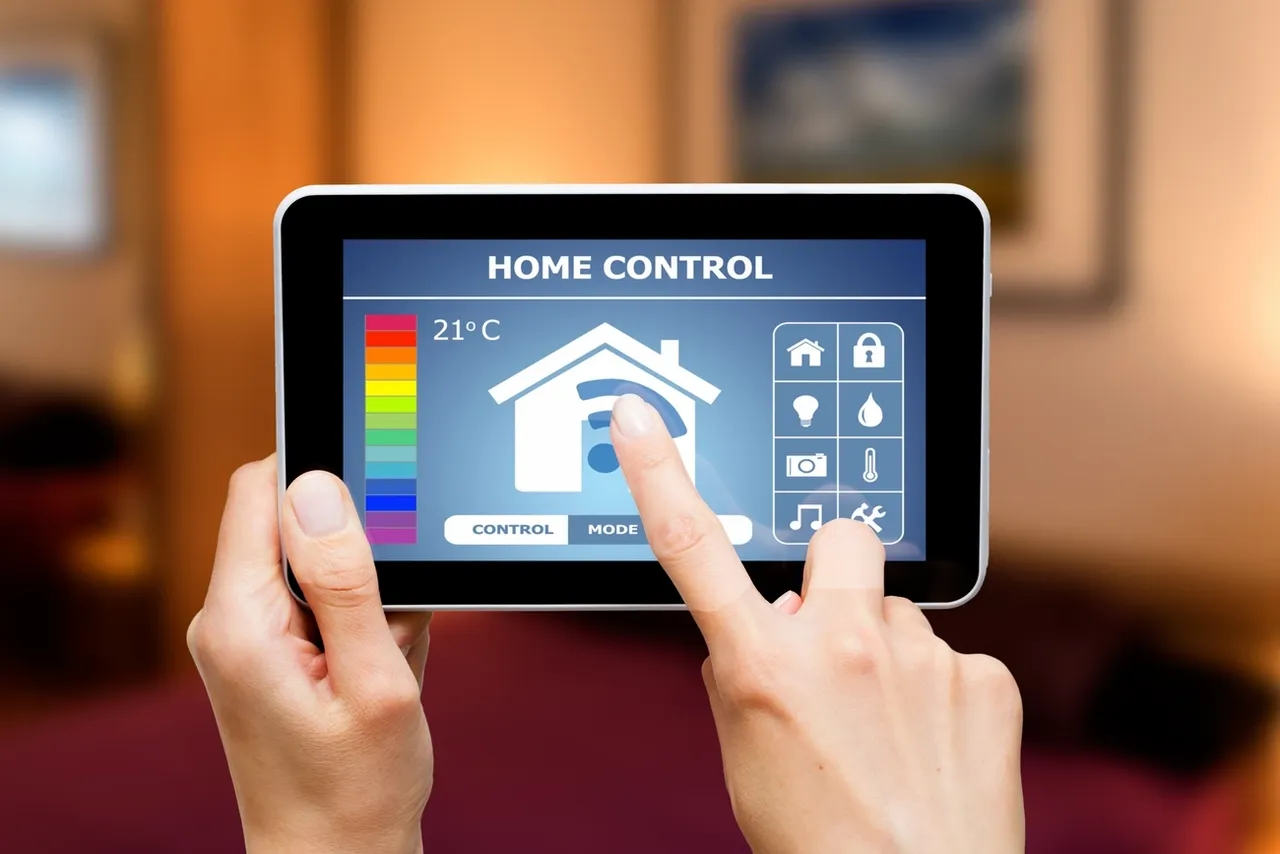
Smart homes are no longer a niche upgrade or luxury add-on. In modern construction, automation is becoming part of the foundation—shaping how homes are designed, built, and lived in.
What started with programmable thermostats and motion-sensor lighting has evolved into fully integrated systems that manage energy, security, comfort, and long-term efficiency. For homeowners, builders, and developers, smart homes now represent better control, better performance, and better value over time.
This shift is redefining what “well-built” means in residential and commercial construction.
Why Smart Home Automation Is Becoming Standard in Construction
The rise of smart homes isn’t driven by novelty—it’s driven by practicality.
Today’s homeowners expect:
- Lower energy costs
- Greater comfort with less manual control
- Stronger security and remote visibility
- Homes that adapt to daily habits
At the same time, builders are under pressure to meet stricter energy codes, sustainability goals, and buyer expectations. Smart automation bridges that gap by embedding intelligence directly into how buildings operate.
This is why smart homes and buildings are increasingly planned during construction, not added later.
Smart Lighting Systems: Efficiency Built Into the Structure
Smart lighting is often the first automation feature homeowners notice—but its biggest benefits happen behind the scenes.
How Smart Lighting Works in New Construction
In smart home new construction, lighting systems are:
- Zoned by room and usage
- Integrated with daylight sensors
- Linked to occupancy detection
Instead of simple on/off switches, lighting responds to how spaces are actually used.
Why Builders Are Integrating Smart Lighting Early
- Reduced energy waste
- Fewer wiring modifications later
- Better compatibility with whole-home systems
Smart lighting isn’t just about mood or convenience—it’s about designing homes that consume less energy without sacrificing comfort.
Smart HVAC: The Backbone of Automated Homes
Heating, ventilation, and air conditioning systems are the largest energy consumers in most homes. Automation has fundamentally changed how these systems perform.
What Makes HVAC “Smart”
Smart HVAC systems adjust based on:
- Occupancy patterns
- Outdoor weather data
- Time-of-day usage
- Room-by-room demand
Instead of running constantly, systems operate only when and where needed.
Construction-Level Benefits
When smart HVAC is planned during construction:
- Duct layouts are optimized
- Zoning is designed intentionally
- Sensors are placed accurately
This results in quieter systems, better air quality, and long-term energy savings—without relying on constant manual adjustments.
Also, check: Why Hire Professional Deck and Fence Builders in Bixby and Tulsa?
Smart Security Systems: From Add-On to Infrastructure
Security automation has moved far beyond alarms and cameras.
Modern Smart Security Includes:
- Integrated video monitoring
- Smart locks and controlled access
- Motion and perimeter detection
- Real-time alerts and remote monitoring
When incorporated during construction, these systems are cleaner, more reliable, and less intrusive than retrofit installations.
Why Early Integration Matters
- Wiring is hidden and protected
- Entry points are reinforced correctly
- Systems work together instead of independently
Security becomes part of the building’s intelligence, not an afterthought.
Building a Smart Home Starts With Design, Not Devices
One of the biggest misconceptions is that building a smart home means buying more gadgets.
In reality, successful automation depends on:
- Infrastructure planning
- Electrical and low-voltage coordination
- Network capacity and layout
- Future scalability
How to Make a Smart House That Lasts
A smart home should:
- Support system upgrades without rewiring
- Avoid dependence on a single device brand
- Be serviceable by professionals
This is why automation planning must happen alongside architectural and construction decisions—not after drywall is up.
Smart Homes and Buildings: The Shift Toward System-Driven Construction
The future of construction isn’t just smart homes—it’s smart buildings.
Automation is now influencing:
- Energy code compliance
- Sustainability certifications
- Property value and resale appeal
- Long-term maintenance costs
Homes that can monitor, adjust, and self-correct perform better over time. This is especially relevant in climates with temperature extremes, where automation helps manage energy load efficiently.
What the Future Looks Like (2026 and Beyond)
Looking ahead, smart home automation in construction is moving toward:
- AI-assisted energy optimization
- Predictive maintenance alerts
- Grid-aware energy usage
- Deeper integration with renewable systems
The homes being built today need to support the technology of tomorrow. That requires thoughtful construction—not rushed installation.
Also, Check: Tips for Choosing the Right Contractor in Oklahoma
Final Thoughts: Smarter Homes Start With Smarter Construction
Smart homes don’t succeed because of technology alone.
They succeed because the building itself supports intelligence.
When automation is planned early, systems work seamlessly, homes perform better, and owners experience fewer issues over time.
This system-first approach is central to how Blue Collar Construction approaches modern construction in Oklahoma—focusing on infrastructure, coordination, and long-term performance rather than surface-level upgrades.
Because the future of smart homes isn’t about more devices.
It’s about building smarter from the ground up. Smart homes are no longer a niche upgrade or luxury add-on. In modern construction, automation is becoming part of the foundation—shaping how homes are designed, built, and lived in.
What started with programmable thermostats and motion-sensor lighting has evolved into fully integrated systems that manage energy, security, comfort, and long-term efficiency. For homeowners, builders, and developers, smart homes now represent better control, better performance, and better value over time.
This shift is redefining what “well-built” means in residential and commercial construction.
Frequently Asked Questions
1. What is smart home automation in construction?
Smart home automation in construction refers to integrating lighting, HVAC, security, and control systems during the building phase for better performance and long-term efficiency.
2. Is it better to build a smart home during construction?
Yes. Planning automation during construction allows proper wiring, system coordination, and scalability, reducing future costs and installation issues.
3. How do you build a smart home from scratch?
Start with infrastructure planning—electrical layout, network capacity, and system integration—before selecting specific devices or platforms.
4. Are smart homes more energy-efficient?
Smart homes typically use less energy because systems respond to occupancy, usage patterns, and environmental conditions rather than running constantly.
5. What’s the future of smart homes and buildings?
The future includes predictive automation, energy optimization, AI-driven systems, and deeper integration with sustainable construction practices.